
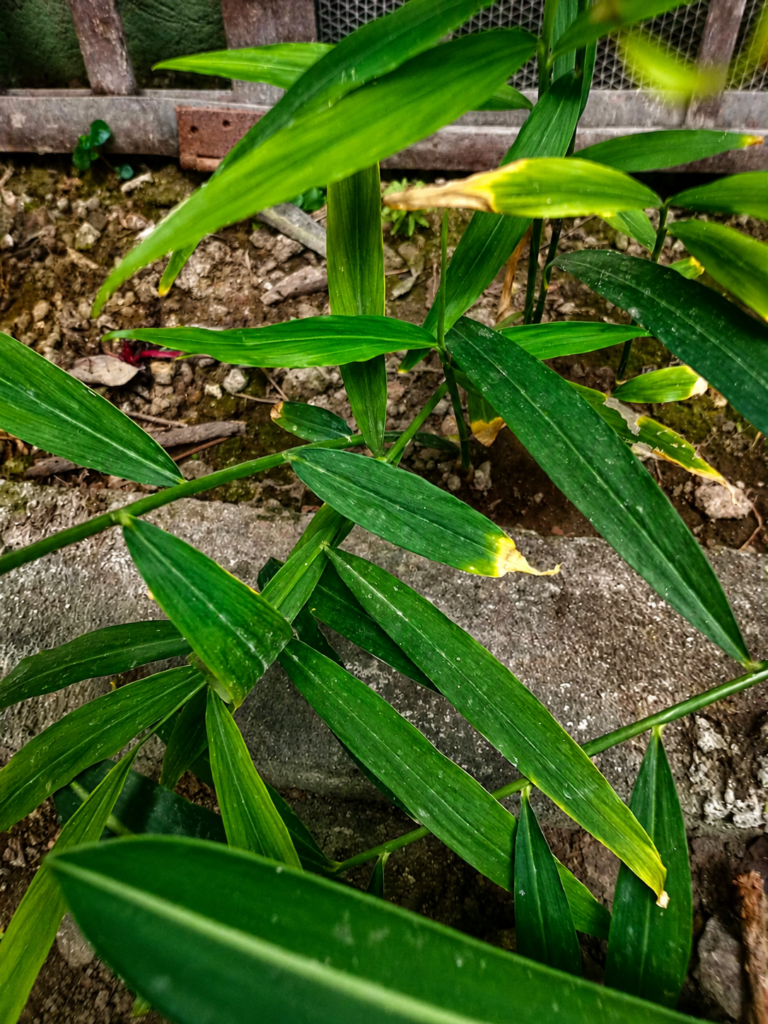
Growing ginger at home is easier than many people think. If you’ve searched online, you’ve probably seen advice about using special soil, perfect growing conditions, and regular fertilizing. While those methods can produce excellent results, my experience has been much simpler.
I started with fresh ginger from the grocery store. I partially buried the rhizomes in the soil, watered them whenever I had time, and let nature do the rest. As someone with a full-time job and several gardening projects, I don’t always have time to give every plant perfect care.
Weeks later, I noticed healthy green shoots popping up from the ground. Honestly, I had almost forgotten about them. That reminded me that gardening doesn’t always have to be complicated. Sometimes giving plants a chance is enough.
This guide shares exactly what I did, what I’ve learned, and why growing your own ginger is worth trying.
Why Grow Your Own Ginger?
Ginger (Zingiber officinale) is one of the most useful plants you can grow at home. Besides being attractive in the garden, it’s widely used in kitchens around the world and has been valued for centuries in traditional cooking and herbal practices.
Fresh ginger is commonly used in:
- Soups
- Stir-fries
- Curries
- Marinades
- Sauces
- Herbal teas
- Smoothies
- Baked goods
- Desserts
One of my favorite uses is preparing fish and seafood. Fresh ginger helps reduce strong fishy odors while adding a clean, fresh flavor to many dishes. It also works well with chicken, pork, beef, and vegetable recipes.
Having fresh ginger growing outside means I can simply harvest what I need instead of buying it every time I cook.
Health Benefits of Ginger
Besides its culinary value, ginger has been studied for its natural plant compounds, including gingerols and shogaols, which contribute to its flavor and have antioxidant and anti-inflammatory properties. Research suggests ginger may help:
- Support healthy digestion
- Reduce occasional nausea
- Ease motion sickness for some people
- Support normal inflammatory responses
- Provide antioxidant compounds
While ginger can be part of a healthy diet, it should not be considered a replacement for medical treatment or professional healthcare advice.
What I Used
One thing I like about growing ginger is that you don’t need expensive supplies.
I simply used:
- Fresh store-bought ginger
- Existing garden soil
- Water
- A partially shaded area
- Patience
That was it.
No grow lights.
No greenhouse.
No special fertilizers.
No expensive raised beds.
My Simple Growing Method
Instead of following every gardening rule, I decided to see what would happen with minimal effort.
I partially buried the ginger rhizomes, leaving part of each piece close to the soil surface. After watering them, I mostly left them alone.
My garden isn’t perfect, and neither are the growing conditions. I work with the soil and weather I already have instead of trying to create the perfect environment.
As a busy gardener, I simply do what fits my schedule. If something grows, I continue using that method. If it doesn’t, I learn from it and try something different next time.
That’s how I’ve learned most of my gardening lessons—by experimenting, observing, and letting the garden teach me.
Growing Ginger in Florida
Florida’s warm climate is generally well suited for growing ginger.
The long growing season, frequent rainfall, and warm temperatures allow ginger to develop steadily throughout much of the year.
During periods of intense summer heat, partial shade helps reduce stress on young plants.
Good drainage is also important because ginger doesn’t like sitting in water for extended periods.
Soil and Water
Although many gardening guides recommend rich, loose soil with plenty of organic matter, my experience has shown that ginger can still perform well without creating the perfect soil mix.
I simply planted mine in the soil I already had and watered whenever necessary.
The key is keeping the soil lightly moist rather than constantly wet.
Sunlight
Ginger prefers:
- Morning sun
- Bright filtered light
- Partial shade during hot afternoons
Too much direct afternoon sun may stress young plants, especially during Florida summers.
How Long Does Ginger Take to Grow?
Ginger isn’t a fast-growing crop.
Be patient.
New shoots may appear within several weeks to a couple of months, depending on temperature and growing conditions.
A full harvest usually takes around 8 to 10 months, although young ginger can often be harvested earlier if desired.
Common Problems
Watch for:
- Overwatering
- Poor drainage
- Snails and slugs
- Frost damage
- Rhizome rot
Fortunately, ginger is generally a low-maintenance plant once established.
Harvesting Ginger
When the leaves begin turning yellow and dying back, the rhizomes are usually ready to harvest.
Carefully loosen the soil around the plant and lift the rhizomes.
You can harvest the entire plant or remove only part of the rhizome while allowing the rest to continue growing.
My Experience
Most gardening guides focus on ideal conditions.
My garden isn’t perfect, and neither are the weather conditions. I simply work with what I have.
I planted store-bought ginger, partially buried it in the soil, watered it whenever I had time, and almost forgot about it.
Later, I noticed green shoots appearing throughout the garden.
That experience reminded me that gardening doesn’t always require expensive products or perfect techniques. Sometimes the best thing you can do is plant something, give it basic care, and let nature surprise you.
Frequently Asked Questions
Can I grow ginger from grocery store ginger?
Yes. Healthy grocery store ginger with visible buds can often sprout successfully.
Does ginger grow well in Florida?
Yes. Florida’s warm climate is generally favorable for growing ginger.
Can ginger grow in containers?
Yes. Containers with good drainage work very well.
How often should I water ginger?
Keep the soil lightly moist but avoid overwatering.
Related Articles
You may also enjoy:
- How I Grow Kangkong (Water Spinach) in a Self-Watering Bucket Planter
- Why Sweet Potatoes Are One of the Best Vegetables for Beginner Gardeners
- How I Grow Moringa in Florida: What Actually Happens in My Garden
How to Grow Moringa in Small Spaces (Balcony, Pots, and Urban Gardens in Florida)- How My Mango Tree Survived a Florida Freeze and Grew Back Stronger
- Can Frost-Damaged Plants Recover? How to Tell If Your Plants Are Dead or Still Alive
- Vegetable Gardening Guide for Small Spaces and Florida Gardens
Recommended Gardening Supplies
If you’re starting your own ginger garden, consider using:
- Hand garden trowel
- Organic compost
- Mulch
- Garden gloves
- Watering can
- Containers or grow bags for small spaces
Final Thoughts
Growing ginger taught me that gardening doesn’t have to be perfect.
You don’t always need expensive supplies, special soil, or complicated techniques. Sometimes all it takes is planting a piece of ginger, giving it some basic care, and being patient.
If you’re busy like I am, don’t let the search for perfect conditions stop you from gardening. Work with the space, soil, and weather you already have. Every season teaches something new, and every plant is another opportunity to learn.
Sometimes, the simplest approach turns out to be the most rewarding. 🌱