
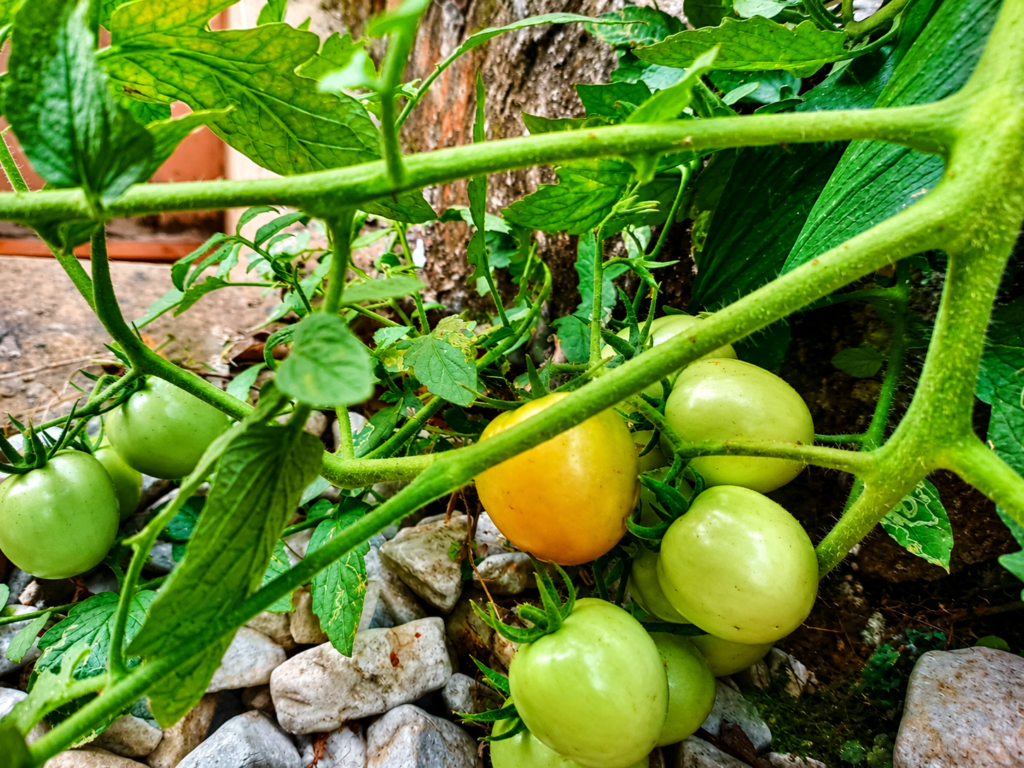
Growing Tomatoes in Florida: Why My Plants Keep Struggling (And What I’m Trying Next)
When I first decided to grow tomatoes in Florida, I thought it would be a simple project. Tomatoes are one of the most popular vegetables grown at home, so I assumed they would thrive in a warm climate.
Reality had other plans.
I’ve tried growing tomatoes from seeds taken from store-bought tomatoes. They germinated, grew into healthy-looking seedlings, and gave me hope. But as the Florida summer settled in, things became much more challenging than I expected.
Instead of pretending I’ve mastered tomato gardening, I want to share my real experience. If your tomato plants are also struggling, you’re not alone.
Why Growing Tomatoes in Florida Can Be Challenging
Florida offers a long growing season, but it also presents conditions that make tomato gardening difficult.
Some of the biggest challenges I’ve experienced include:
- Intense summer heat
- Strong afternoon sunlight
- Sandy soil that drains quickly
- Heavy rainstorms
- High humidity
- Constant pest pressure
These conditions often require more attention than many beginner gardeners expect.
My Experience Growing Tomatoes
I started by planting seeds from tomatoes bought at the grocery store.
The seeds sprouted surprisingly well.
For a while, everything looked promising.
As temperatures increased, however, keeping the plants healthy became much harder.
I tried placing them where they received partial shade during the hottest part of the day because the summer sun was extremely intense.
Unfortunately, they still struggled.
Some plants stopped growing while others gradually declined despite regular watering.
Sandy Soil Creates Extra Work
One lesson I’ve learned is that Florida’s sandy soil doesn’t hold moisture or nutrients very well.
That means gardeners often need to:
- Add compost regularly
- Improve soil with organic matter
- Water more consistently
- Replace nutrients throughout the growing season
Improving the soil has become just as important as caring for the plants themselves.
Heat Is Only Part of the Problem
Many people think heat is the biggest challenge.
In my experience, it’s only one piece of the puzzle.
Florida weather can change quickly.
One week may bring extreme heat.
The next week may bring days of heavy rain.
Plants must constantly adapt, and gardeners do too.
Then Come the Pests
Growing vegetables also means sharing your garden with plenty of unwanted visitors.
Depending on your location, you may encounter:
- Caterpillars
- Whiteflies
- Beetles
- Snails and slugs
- Grasshoppers
- Fire ants
- Birds
- Squirrels
Keeping plants healthy often becomes an ongoing process instead of a one-time task.
What I’m Trying Next
I’m not giving up.
For my next attempt, I plan to:
- Improve the soil with more compost.
- Choose a location with better morning sun and afternoon shade.
- Monitor watering more closely.
- Try growing cherry tomatoes, which many Florida gardeners report perform better in hot weather.
- Continue observing what works in my own garden.
Gardening is a learning process, and every season teaches something new.
My Advice for Beginners
If you’re new to gardening in Florida, don’t get discouraged if your first tomato plants don’t produce the harvest you expected.
Every garden is different.
Your soil, sunlight, watering schedule, and local weather all play a role.
Learning from each season is part of becoming a better gardener.
Frequently Asked Questions
Can tomatoes grow in Florida?
Yes. Tomatoes can grow well in Florida, but success often depends on planting at the right time of year, choosing suitable varieties, and managing heat, soil, and pests.
Can I grow tomatoes from store-bought tomatoes?
Yes. Seeds from store-bought tomatoes can germinate, but the resulting plants may not produce fruit identical to the original tomato, and success depends on the variety and growing conditions.
Why do tomato plants struggle during Florida summers?
High temperatures, humidity, heavy rainfall, sandy soils, and insect pressure can all make summer tomato growing more difficult.
Are cherry tomatoes easier to grow?
Many Florida gardeners report good success with cherry tomato varieties because they often tolerate heat better than some larger tomato varieties. I’m planning to try them in a future growing season.
Recommended Products
These gardening products may help improve tomato-growing success:
- Compost and organic soil amendments
- Tomato cages or support stakes
- Mulch
- Watering cans or soaker hoses
- Gardening gloves
- Pruning shears
- Organic fertilizer suitable for tomatoes
Only recommend products you’ve used or genuinely believe fit the article.
Continue Growing with Plantegarden
You may also enjoy:
- Growing Longevity Spinach in Florida
- How to Grow Jackfruit at Home
- Growing Mango Trees in Florida
- Beginner Gardening Tips for Florida Gardens
(Use your existing published article titles here to avoid duplicate or inconsistent names.)
Final Thoughts
Gardening has taught me that success doesn’t always come on the first attempt.
Sometimes the biggest lesson is simply not giving up.
My tomatoes haven’t thrived yet, but each season teaches me something new. I’ll keep improving my soil, trying different varieties, and learning what works best in my garden.
When I finally grow a healthy harvest, I’ll share that experience too—because that’s what Plantegarden is about: real gardening, real results, and learning one season at a time.