
Latest gardening news, plant updates, seasonal alerts,
and growing tips.
August, 2026
New UF/IFAS App Helps Gardeners Choose Plants and Support Pollinators
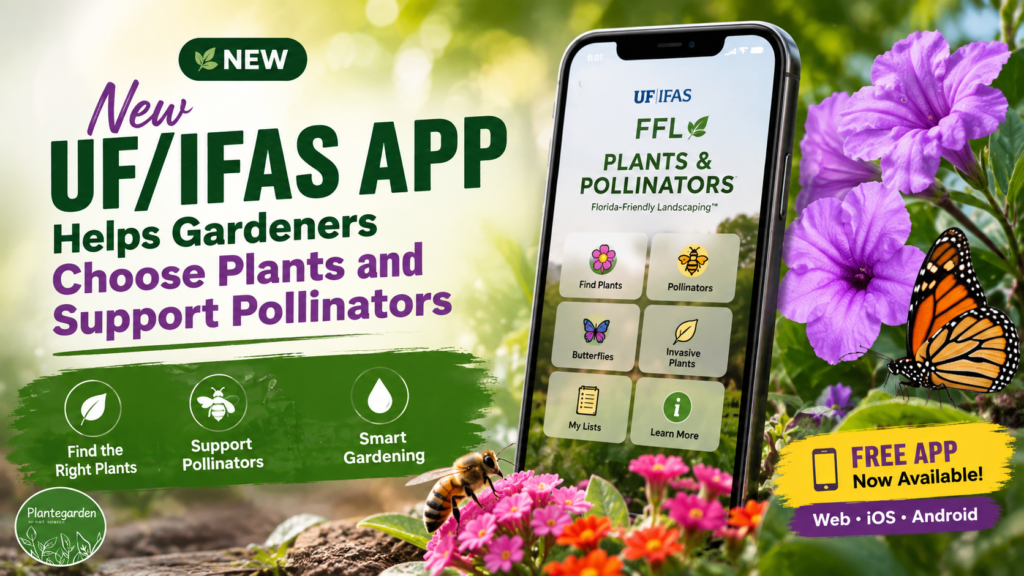
A new free gardening app from the University of Florida can help take some of the guesswork out of choosing plants for your yard.
Ever stood at a garden center holding a plant and thought, “Will this actually work in my yard?”
Too much sun? Not enough water? Wrong soil? Will bees or butterflies use it? Is it invasive?
That is the problem the new FFL Plants & Pollinators app is designed to help solve.
The University of Florida Institute of Food and Agricultural Sciences (UF/IFAS) announced the updated app in August. It became available on the web and through the Apple App Store and Google Play beginning August 19.
And this isn’t simply an app for finding pretty flowers.
What Does FFL Mean?
First, let’s get the name out of the way.
FFL stands for Florida-Friendly Landscaping.
It is a UF/IFAS program that promotes practical landscaping choices designed to work with Florida’s environment, including using appropriate plants, conserving water and supporting wildlife. The program has been around since 1993.
The new app brings several of UF/IFAS’s gardening resources together in one place.
So, What Can the App Actually Do?
This is where things get interesting.
🌱 It can help you choose plants
The app includes a Guided Plant Search.
Instead of simply scrolling through a giant plant list, gardeners can answer questions about their planting site. The tool considers things such as sun exposure, soil moisture, hardiness zone and wildlife goals, then produces plant suggestions.
In simple terms:
Tell the app what your garden is like, and it can help narrow down the plants that may fit.
That’s a useful starting point for someone who doesn’t know what to plant.
🐝 Want more bees in the garden?
The app also contains information about bees and their relationships with plants.
You can explore plants that provide resources for pollinators, including information about nectar sources and host plants.
🦋 What about butterflies?
Butterflies are included too.
The app combines butterfly information with plant resources, making it easier to understand which plants can play a role in a butterfly-friendly garden.
This is one of the parts I think gardeners will find especially useful.
Instead of asking:
“What flower looks good?”
you can start asking:
“What can I plant that also helps the wildlife visiting my yard?”
That’s a much better way to think about a garden.
It Can Help You Avoid the Wrong Plants
Here’s another feature worth paying attention to.
The app includes information about invasive plants and high-risk invasive plants, along with Florida-Friendly alternatives.
That’s important because choosing a plant isn’t only about whether it grows well.
A plant can look great in a garden and still create problems if it spreads where it shouldn’t.
Having that information while you’re deciding what to plant can save gardeners from making a bad choice in the first place.
You Can Build Your Own Plant List
Found several plants you like?
The app’s My Lists feature lets users save, organize, export and share plant selections. Users can also sign in with Google or email to save multiple custom lists across devices.
That could be handy when you’re planning a new flower bed, replacing plants or simply keeping track of ideas for later.
It Goes Beyond Bees and Butterflies
The updated app also provides expanded plant information, including:
- Wildlife benefits
- Pollinator value
- Growing requirements
- Plant toxicity information
- Photos and plant profiles
- Bee and butterfly information
- Invasive plants and recommended alternatives
So calling it simply a “pollinator app” would actually undersell it.
It is more like a plant-selection and garden-planning resource with pollinators and wildlife built into it.
Is the FFL Plants & Pollinators App Free?
Yes.
The Apple App Store currently lists FFL Plants & Pollinators as free, and the Android version is available through Google Play.
The app is also available through the Florida-Friendly Landscaping website.
Get the FFL Plants & Pollinators App from UF/IFAS
Is This Only for Florida Gardeners?
This is where we need to be clear.
The app is specifically built around UF/IFAS’s Florida-Friendly Landscaping program and Florida plant information.
UF/IFAS describes the app as a resource for helping Floridians choose plants, support wildlife and conserve water.
That doesn’t mean a gardener somewhere else can’t learn something from the plant profiles or pollinator information. But if you’re outside Florida, don’t assume every plant recommendation is automatically appropriate for your local climate or growing conditions.
For Florida gardeners, however, that’s exactly what makes this resource interesting.
Where Did This App Come From?
Here’s another reason this announcement caught our attention.
UF/IFAS didn’t simply throw together a brand-new plant database.
The new platform brings together three previous resources:
FFL Plant Guide + Bee Gardens + Butterfly Gardens
They have now been combined into the FFL Plants & Pollinators platform.
That means gardeners who previously used those separate resources now have them brought together under one roof.
Why We Think Gardeners Should Know About It
There are plenty of gardening apps out there.
What makes this one worth mentioning is the combination of plant selection, growing conditions, pollinators, wildlife and invasive plants in one resource.
And it’s backed by UF/IFAS, which provides science-based agricultural and natural-resource information through the University of Florida.
For someone starting a garden, that can be a lot more useful than randomly searching the internet for a plant and hoping it works.
One Last Thought
A good garden isn’t simply a collection of plants that look nice together.
The plants have to fit the place.
And once you start thinking about sun, water, soil, wildlife and the plants themselves, you can make much better choices before spending money at the garden center.
That’s where the new FFL Plants & Pollinators app could be useful.
Before buying the next plant, it might be worth asking the app what belongs in your garden.
Explore More on Plantegarden
If you’re interested in growing plants in Florida or working with limited space, you can also explore our [Vegetable Gardening Guide for Small Spaces and Florida Gardens] and our guide to [Growing Red Hibiscus in Florida].
Our [Vegetable Gardening section] is also a good place to find more growing ideas for home gardens and smaller spaces.
And if you’re interested in plants that bring more life into the garden, keep an eye on Plantegarden. We’re working on a future interactive guide that will help gardeners explore which plants attract different pollinators.
Sources
University of Florida IFAS — FFL Plants & Pollinators App announcement
The primary source for the August launch, app features and Florida-Friendly Landscaping information.
Apple App Store — FFL Plants & Pollinators
Confirms the app is free and provides current app information and ratings.
Google Play — FFL Plants & Pollinators
Provides current Android listing information, app features and user/download information.
July, 2026
Home Gardeners Refresh Small Spaces as Mid-Summer Growing Season Continues
As the gardening season moves into mid-summer, many home gardeners are shifting their attention from planting to maintaining healthy, productive growing spaces. Gardening experts are encouraging gardeners to refresh small gardens by removing overcrowded plants, improving air circulation, reorganizing containers, and clearing away damaged or spent foliage. The seasonal focus is helping gardens stay healthier while reducing maintenance during the hottest weeks of the year.
Small-space gardens—including patios, balconies, raised beds, and container gardens—often become crowded as plants reach their peak growth. While lush growth is a welcome sign of a successful season, overcrowding can reduce airflow, increase competition for water and nutrients, and make it more difficult to monitor plants for pests or disease.
A mid-season garden refresh doesn’t mean removing healthy plants. Instead, gardeners are taking time to evaluate their growing spaces, prune unnecessary growth, reposition containers for better sunlight, harvest mature vegetables, and replace plants that have finished producing. These simple adjustments can help remaining plants continue growing well through the rest of the season.
Container gardeners may benefit the most from this seasonal maintenance. Rearranging pots to improve sunlight exposure, checking drainage, refreshing mulch, and removing weak or unhealthy plants can improve growing conditions without requiring additional garden space.
Garden professionals also note that keeping pathways clear and reducing clutter around plants improves accessibility for routine watering, harvesting, pruning, and pest inspections. A well-organized garden is often easier to maintain and allows gardeners to identify problems before they become more serious.
For gardeners with limited outdoor space, refreshing a garden during mid-summer is also an opportunity to prepare for the next planting cycle. Depending on local growing conditions, some gardeners begin planning late-summer vegetables, herbs, or flowers while making the most of the current harvest.
Why This Matters
Mid-summer is one of the busiest periods in the gardening calendar. A few simple improvements can help gardens remain productive while reducing stress on plants during warm weather. Whether you grow vegetables, herbs, flowers, or tropical plants, taking time to organize and maintain your growing space now can contribute to healthier plants and a more enjoyable gardening experience through the remainder of the season.
Continue Growing with Plantegarden
Looking for more gardening ideas? Explore more practical resources on Plantegarden:
- Container Gardening Guides
- Vegetable Growing Guides
- Fruit Tree Care
- Tropical Plant Growing Tips
- Grow Kangkong (Water Spinach).
Sources
This article is based on current seasonal gardening guidance and industry trends reported by:
- Homes & Gardens – The July Small Garden Edit
- Royal Horticultural Society (RHS)
- University Extension gardening resources
- Gardening Know How
Garden Alert: How This Week’s Heat Wave Could Affect Your Garden
Summer is one of the most rewarding times of the year for gardeners, but it can also be one of the most challenging. Prolonged periods of high temperatures can stress vegetables, flowers, herbs, fruit trees, and container plants, even when they appear healthy.
If your area is experiencing unusually hot weather this week, taking a few simple steps now can help protect your garden and reduce the risk of heat damage.
Why Heat Waves Matter
Plants rely on water to stay healthy and regulate their temperature. During a heat wave, moisture evaporates from the soil much faster, causing plants to lose water more quickly than usual.
Common signs of heat stress include:
- Wilting leaves during the afternoon
- Brown or scorched leaf edges
- Dropping flowers or young fruit
- Slower growth
- Dry, cracked soil
Some plants recover once temperatures cool in the evening, while others may need additional care if extreme heat continues for several days.
Which Plants Are Most at Risk?
Although nearly every garden is affected by prolonged heat, these plants often need extra attention:
- Tomatoes
- Peppers
- Cucumbers
- Lettuce
- Spinach
- Herbs growing in containers
- Newly planted flowers
- Young fruit trees
- Hanging baskets
Container plants usually dry out much faster than plants growing in the ground.
Six Ways to Help Protect Your Garden
1. Water Deeply
Instead of watering lightly every day, give plants a deeper watering that reaches the root zone. Early morning is generally the best time to water because less moisture is lost through evaporation.
2. Add Mulch
A layer of mulch helps retain soil moisture, keeps roots cooler, and reduces weed growth. Organic mulch such as shredded bark, pine straw, or wood chips works well for many gardens.
3. Avoid Midday Gardening
Pruning, transplanting, and heavy fertilizing during extreme heat can place additional stress on plants. Whenever possible, wait until temperatures become more moderate.
4. Check Container Plants More Often
Plants growing in pots may need watering more frequently during hot weather. Always check the soil before watering rather than relying on a schedule.
5. Provide Temporary Shade
Shade cloth or lightweight garden fabric can help protect delicate vegetables and flowers during the hottest part of the day.
6. Harvest Frequently
Picking ripe vegetables encourages continued production and helps reduce additional stress on many fruiting plants.
Common Gardening Mistakes During a Heat Wave
Avoid these common mistakes:
- Watering during the hottest part of the afternoon
- Over-fertilizing stressed plants
- Letting containers dry out completely
- Assuming wilted plants always need more water without checking the soil
- Pruning heavily during extreme temperatures
Products That May Help
Depending on your garden, you may find these products useful during periods of extreme heat:
- Organic mulch
- Soaker hoses
- Drip irrigation kits
- Garden watering timers
- Moisture meters
- Shade cloth
- Watering cans for container plants
When Plantegarden reviews or recommends gardening products, we focus on practical tools that may help gardeners make informed purchasing decisions.
As our gardening library grows, this article will be connected with related planting guides, seasonal care articles, and product reviews to help you find the information you need.
Final Thoughts
Heat waves are part of gardening in many regions, but they don’t have to ruin your growing season. A little preparation, careful watering, and regular observation can help your plants stay healthier during periods of extreme heat.
Keep an eye on your garden this week, especially young plants and containers. Catching signs of heat stress early is often the best way to prevent lasting damage.
Related Articles on Plantegarden
As more gardening guides are published, consider reading:
- Elegant Zinnia: Easy Tips for Bigger Blooms and Healthier Flowers
- Easy Container Gardening Ideas for Small Yards
- Best Plants for Pollinators in a Florida Garden
Garden News on Plantegarden highlights timely updates, seasonal alerts, and practical information to help gardeners care for their plants throughout the year.
Disclosure: Some links on this website are affiliate links. If you make a purchase through them, we may earn a commission at no additional cost to you.