
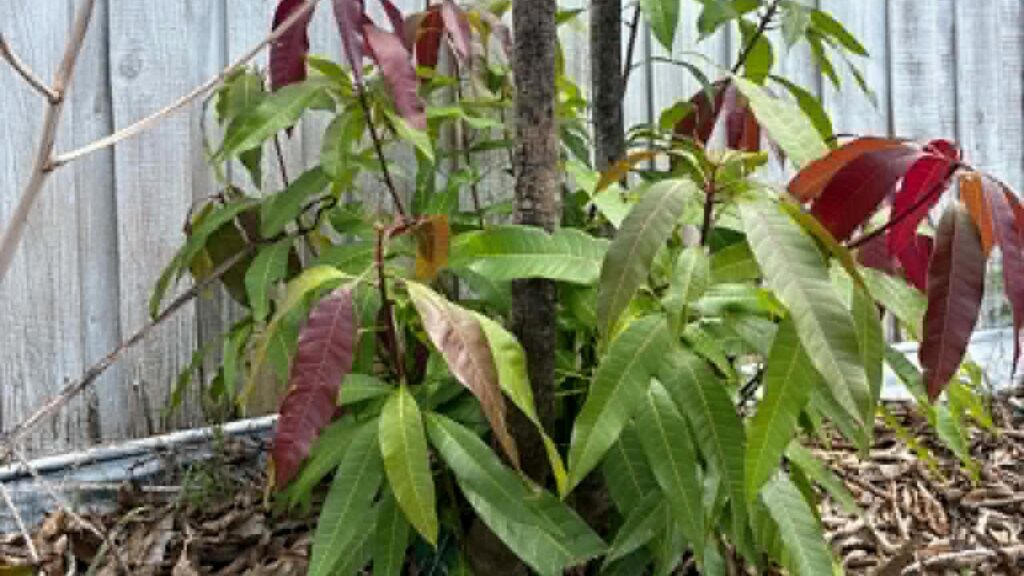
How My Mango Tree Survived a Florida Freeze and Grew Back Stronger
Growing mango trees in Florida can test a gardener’s patience. While mangoes thrive in warm tropical weather, unexpected cold snaps can leave them looking completely dead. I learned this firsthand when one of my mango trees was hit by severe cold weather. The leaves were damaged, the top growth died back, and for a while I thought the tree was gone for good.
What happened next surprised me.
Over time, new shoots began emerging from the roots, and the tree slowly returned. Today, it continues to grow and reminds me that mango trees can be much tougher than they appear.
Can Mango Trees Survive a Florida Freeze?
Mango trees prefer warm temperatures and can suffer damage when temperatures drop near freezing. Young trees are especially vulnerable.
After one particularly cold period, my seed-grown mango tree lost most of its visible growth. The branches looked lifeless, and the tree appeared beyond saving. However, the root system had survived underground.
This experience taught me an important lesson: don’t rush to remove a mango tree after cold damage. What looks dead above ground may still be alive below the soil.
How My Mango Tree Grew Back From the Roots
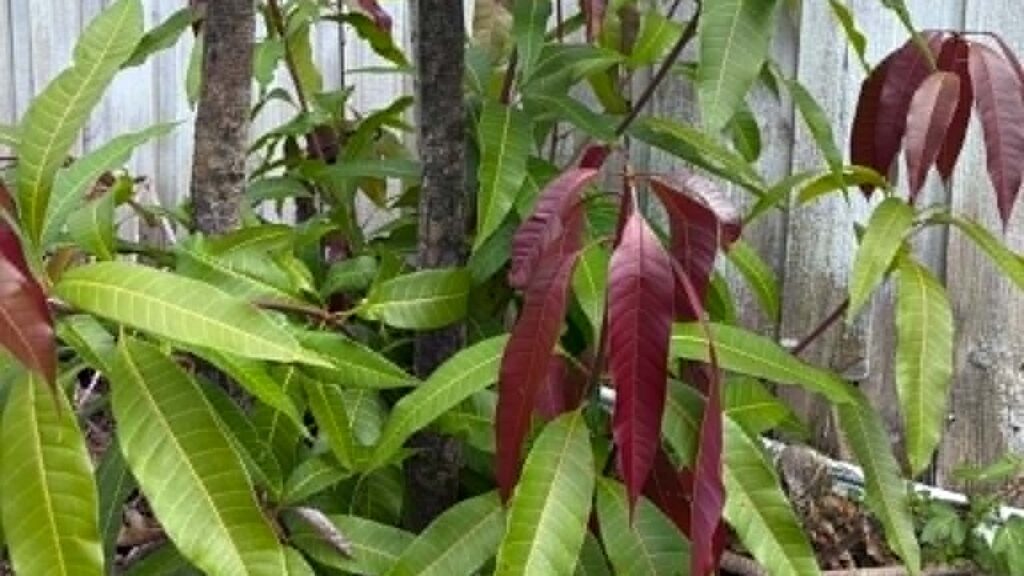
Weeks after the cold weather passed, small shoots started emerging from the base of the tree.
At first, the new growth was easy to miss. As temperatures warmed, the shoots became stronger and developed into healthy stems. Eventually, the tree began rebuilding itself from the ground up.
Because my tree was grown from seed, the new growth remained true to the original seedling. The recovery process was slow, but the tree showed remarkable determination.
Why Seed-Grown Mango Trees Require Patience
Many gardeners purchase grafted mango trees because they produce fruit sooner. Seed-grown trees often take much longer.
In my experience, a mango grown from seed requires patience. The tree spends years developing a strong root system and healthy structure before focusing on fruit production.
The waiting period can feel long, but watching a tree grow from a simple seed into a large fruit-producing plant is rewarding.
What Helped My Mango Tree Recover
Several factors seemed to help the tree bounce back after the freeze:
Warm Weather
Once Florida’s temperatures returned to normal, new growth accelerated.
Healthy Root System
Although the top of the tree was damaged, the roots remained alive and continued supplying energy.
Patience
One of the biggest mistakes gardeners make is removing a tree too quickly. Giving the tree time to recover allowed new shoots to emerge naturally.
Consistent Watering
Regular watering during dry periods helped support new growth without keeping the soil overly wet.
Tips for Protecting Mango Trees From Future Cold Weather
If you grow mango trees in Florida, cold protection is worth considering.
- Plant mango trees in the warmest part of your yard.
- Use mulch to help regulate soil temperatures.
- Cover young trees when freezing temperatures are expected.
- Water deeply before a cold event if conditions are dry.
- Wait until warm weather returns before pruning cold-damaged branches.
Is Growing Mango Trees in Florida Worth It?
Absolutely.
Mango trees provide shade, beauty, and eventually delicious fruit. They can live for many years and often become one of the most rewarding trees in a home garden.
My experience showed that even after severe cold damage, a mango tree can recover and continue growing. The process may take time, but patience is often rewarded.
Final Thoughts
My mango tree taught me an important lesson about gardening. Sometimes a plant appears lost after extreme weather, but life continues beneath the surface.
Even after severe cold damaged the top growth, the roots survived and produced new shoots. Today, the tree continues its journey toward maturity.
If your mango tree suffers cold damage, don’t give up too quickly. Give it time, watch for new growth, and you may be surprised by how resilient these tropical trees can be.
Pingback: Sugar Apple: The Fast-Growing Tropical Fruit Tree That Keeps Coming Back – Plantegarden – Urban Gardening and Florida Gardening Website.
Thank you for your question, Just cut the dead trunks or stem and new chute will grow,
you can tell by peeling the skin if still green still alive and if it is brown or white
dry its already dead but i won’t cut or pull all the way down, i will wait and leave
about a foot of brnach from the ground. thank you.