Sugar Apple: The Fast-Growing Tropical Fruit Tree That Keeps Coming Back
If you enjoy growing fruit trees, you probably know that patience is part of the process. Mangoes, avocados, and many other tropical fruits can take years before producing a meaningful harvest. Sugar apple is different. This tropical fruit tree grows relatively fast, produces delicious fruit, and can surprise gardeners with its ability to recover even after cold weather damage.
From my experience growing sugar apple, one of its most impressive qualities is resilience. While freezing temperatures can damage branches and leaves, established trees often grow back when warmer weather returns. That makes sugar apple a rewarding choice for gardeners in areas that occasionally experience winter cold snaps.
What Is a Sugar Apple?
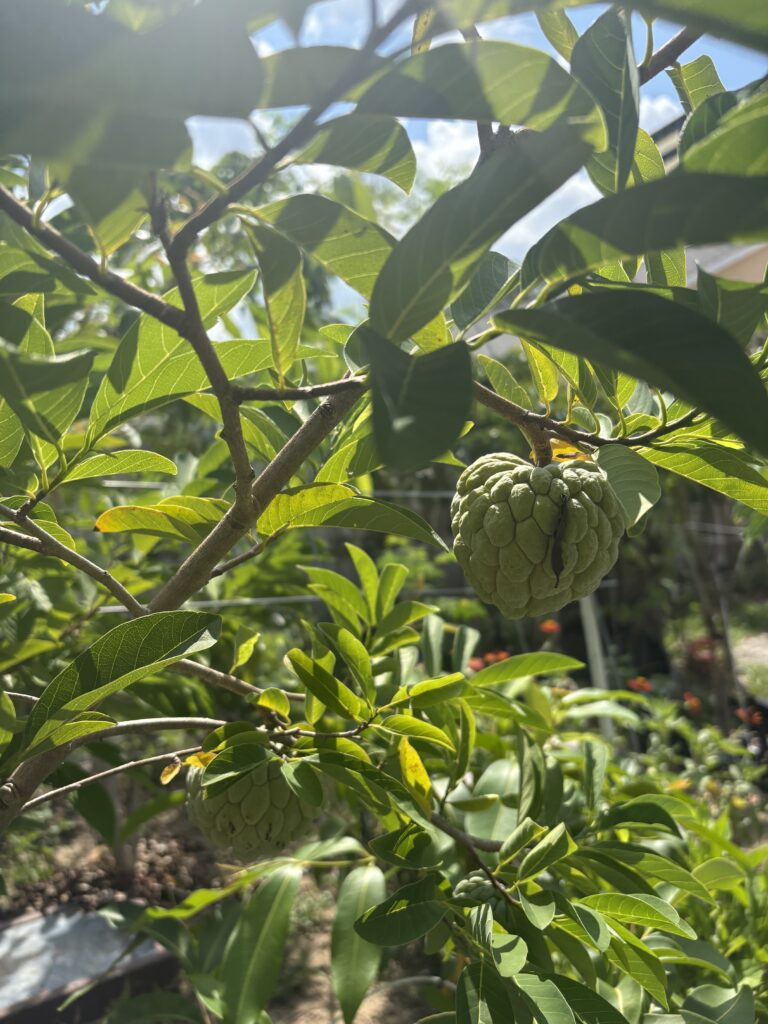
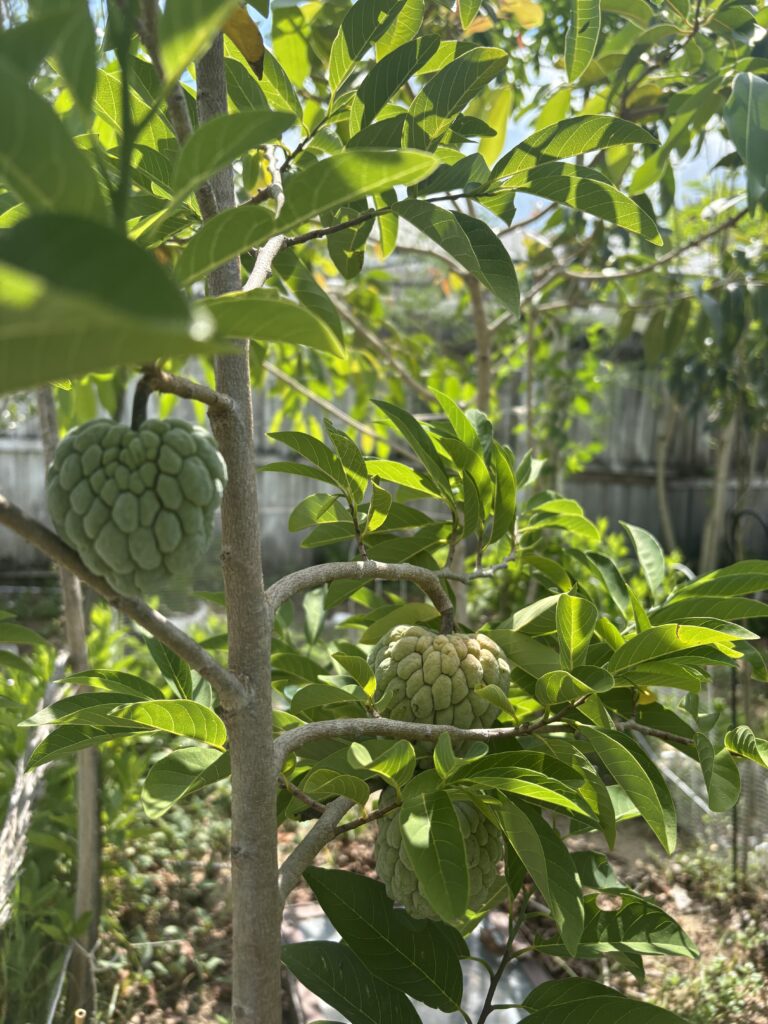
Sugar apple (Annona squamosa), also known as sweetsop or custard apple, is a tropical fruit tree known for its unique green fruit. The fruit has a segmented appearance and soft, creamy flesh inside. When ripe, it offers a sweet flavor often compared to a blend of banana, pineapple, and vanilla custard.
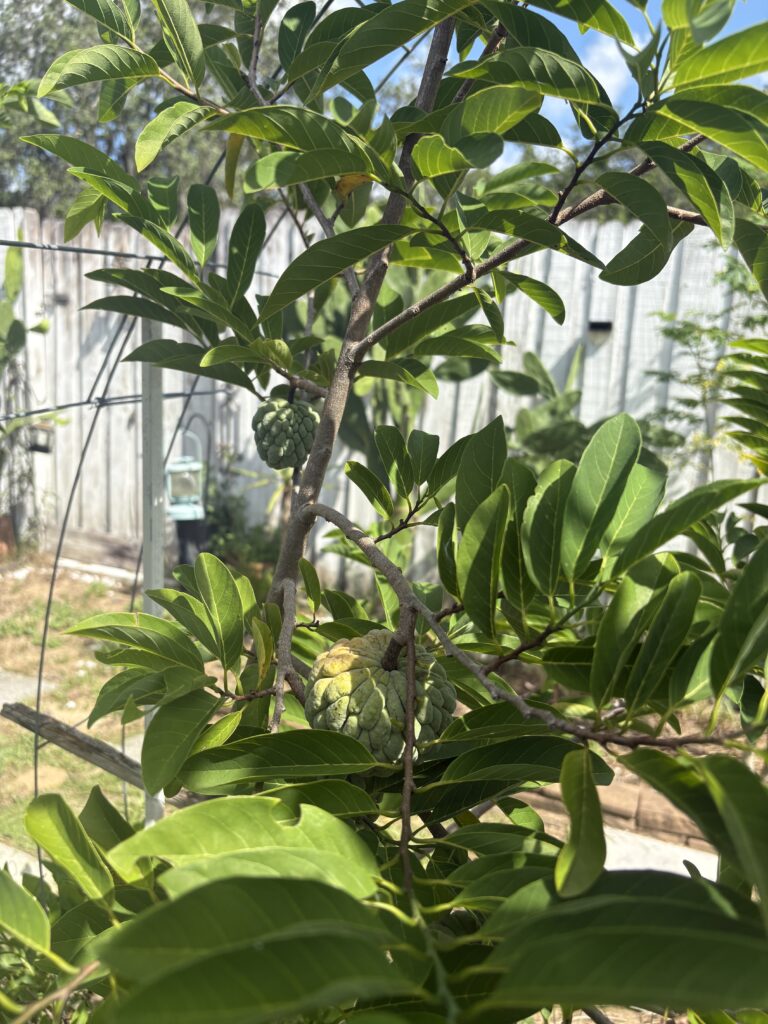
The tree remains relatively small compared to many fruit trees, making it suitable for home gardens and smaller yards.
Why Gardeners Like Sugar Apple
Sugar apple has several advantages over many other tropical fruit trees:
- Fast growth compared to many fruit trees
- Produces sweet, creamy fruit
- Suitable for smaller gardens
- Can be grown from seed
- Adaptable to warm climates
- Often begins fruiting within a few years
- Can recover from cold damage when established
For gardeners who want results sooner rather than later, sugar apple can be an excellent choice.
Health Benefits of Sugar Apple
Sugar apple is more than just a tasty fruit. It contains several nutrients that support overall wellness.
Rich in Vitamin C
Vitamin C helps support the immune system and assists the body in repairing tissues. Fresh sugar apple fruit can contribute to daily vitamin C intake.
Contains Dietary Fiber
Fiber supports healthy digestion and helps maintain regular bowel movements. Eating fruits that contain fiber can also help people feel satisfied longer.
Provides Important Minerals
Sugar apple contains minerals such as potassium and magnesium. These nutrients play roles in muscle function, heart health, and maintaining normal blood pressure.
Natural Antioxidants
The fruit contains plant compounds that act as antioxidants. Antioxidants help protect cells from damage caused by oxidative stress.
What Researchers Are Studying
Scientists continue to study sugar apple and related Annona species.
Areas of ongoing research include:
- Potential antioxidant properties
- Plant compounds found in leaves and seeds
- Effects on gut health
- Antibacterial activity of certain extracts
- Possible applications in future medical research
While research is ongoing, more studies are needed before many of these potential uses can be confirmed for everyday health applications.
Growing Sugar Apple at Home
One reason sugar apple remains popular is its relatively simple care requirements.
Sunlight
Sugar apple performs best in full sun. More sunlight generally encourages stronger growth and better fruit production.
Soil
Well-draining sandy soil works well. Standing water can cause root problems and reduce tree health.
Watering
Young trees benefit from regular watering while becoming established. Mature trees are more tolerant of short dry periods.
Spacing
Allow approximately 10 to 15 feet between trees to improve airflow and provide adequate growing space.
Pollination
Hand pollination can improve fruit set, especially when natural pollinators are limited.
Can Sugar Apple Survive Freezing Temperatures?
This is one of the questions many gardeners ask.
Sugar apple prefers warm tropical and subtropical conditions. Freezing temperatures can damage leaves, branches, and young growth. However, established trees often demonstrate remarkable recovery.
In my experience, sugar apple trees that were damaged by freezing weather later produced new growth when warm temperatures returned. Severe freezes may kill young trees, but mature trees can sometimes regrow from healthy wood or lower portions of the plant.
This ability to bounce back makes sugar apple more resilient than many people expect.
When Will a Sugar Apple Tree Produce Fruit?
Growing conditions, climate, and care all influence production.
Trees grown from seed often begin producing fruit within two to four years. Grafted trees may fruit sooner.
Compared to many tropical fruit trees, this relatively short waiting period is one reason sugar apple remains a favorite among home gardeners.
Is Sugar Apple Worth Growing?
For many gardeners, the answer is yes.
Sugar apple combines attractive growth, delicious fruit, relatively fast production, and surprising toughness. It does not require a large property, and it rewards patience much sooner than many other tropical fruit trees.
Whether you are building a tropical fruit garden, looking for a productive backyard tree, or simply enjoy trying unique fruits, sugar apple deserves consideration. With proper care, it can provide years of harvests, beautiful growth, and the satisfaction of growing something truly special at home.
Related Articles
- Growing Tropical Fruit Trees in Small Spaces
- Fruit Tree Growing Guide for Small Spaces and Florida Gardens Can Frost-Damaged Plants Recover?
- How to Tell If Your Plants Are Dead or Still Alive How My Mango Tree Survived a Florida Freeze and ?
- Grew Back Stronger How I Grow Moringa in Florida: What Actually Happens in My Garden