
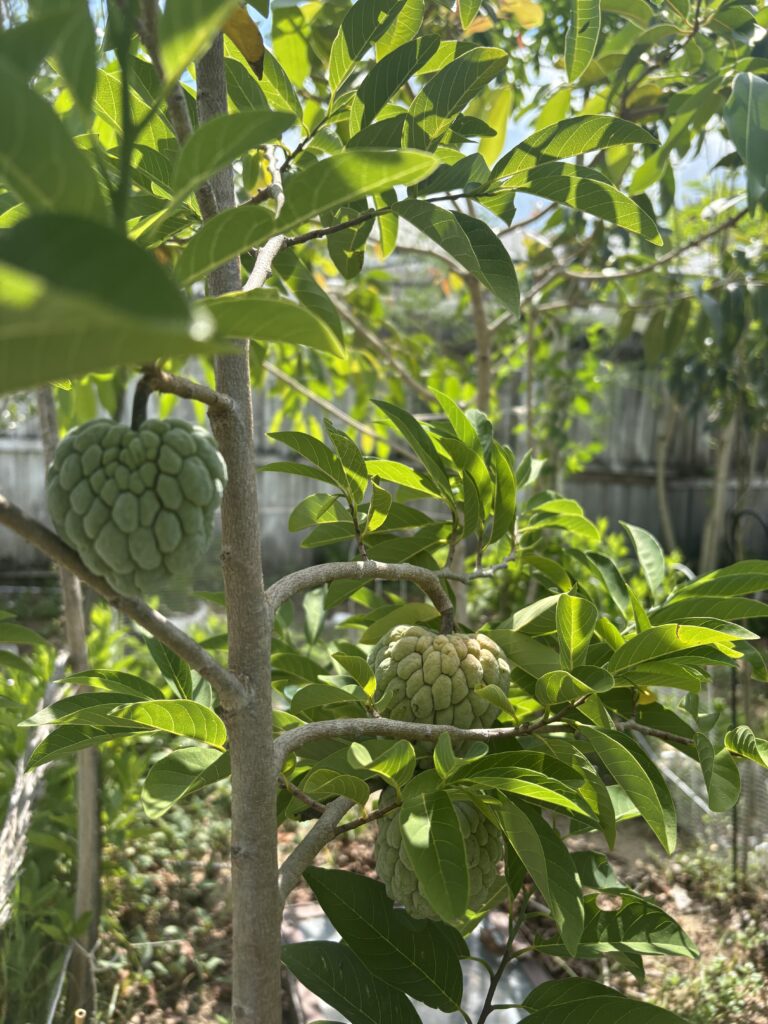
Growing fruit trees at home is one of the most rewarding ways to produce fresh food, even if you only have a small yard, patio, or container garden. Many fruit trees thrive in Florida’s warm climate and can be grown successfully with proper planting, watering, pruning, and care.
Whether you want to grow mangoes, bananas, papayas, figs, guavas, or other tropical and subtropical fruits, understanding the basics will help your trees stay healthy and productive for years.
Choosing the Right Fruit Tree
The best fruit tree is one that matches your growing conditions.
Consider:
- Available sunlight
- Growing space
- Soil drainage
- Local climate
- Mature tree size
For small spaces, choose dwarf or compact varieties whenever possible. Container-friendly fruit trees are often easier to manage and harvest.
Best Location for Fruit Trees
Most fruit trees need at least six to eight hours of direct sunlight each day.
Choose a location that:
- Receives full sun
- Has well-draining soil
- Provides good air circulation
- Is protected from standing water
Poor drainage is one of the most common causes of fruit tree problems in Florida.
Planting a Fruit Tree
Before planting:
- Dig a hole wider than the root ball.
- Keep the top of the root ball slightly above ground level.
- Backfill with native soil.
- Water thoroughly after planting.
- Apply mulch around the base while keeping it away from the trunk.
Proper planting helps roots establish quickly and reduces transplant stress.
Watering Fruit Trees
Newly planted fruit trees require regular watering until established.
General guidelines:
- Water deeply after planting.
- Keep soil evenly moist during establishment.
- Reduce watering frequency as the tree matures.
- Avoid constantly soggy soil.
Deep watering encourages stronger root growth than frequent shallow watering.
Fertilizing Fruit Trees
Fruit trees need nutrients to support healthy growth and fruit production.
A balanced fertilizer designed for fruit trees can help:
- Encourage root development
- Promote healthy foliage
- Support flowering and fruiting
Always follow product label directions and avoid overfertilizing.
Pruning for Better Growth
Pruning improves tree structure, airflow, and sunlight penetration.
Benefits of pruning include:
- Easier harvesting
- Better fruit quality
- Disease prevention
- Size control for small spaces
Remove dead, damaged, or crossing branches as needed.
Common Fruit Tree Problems
Watch for:
- Yellowing leaves
- Pest damage
- Poor fruit production
- Fungal diseases
- Root rot from overwatering
Early detection makes problems much easier to manage.
Growing Fruit Trees in Containers
Many fruit trees grow well in large containers.
Container growing offers:
- Better space management
- Easier movement during cold weather
- Improved control over soil conditions
Choose a container with drainage holes and use a quality potting mix.
Fruit Trees That Grow Well in Florida
Popular options include:
- Mango
- Banana
- Papaya
- Guava
- Fig
- Dragon Fruit
- Avocado
- Loquat
Selecting varieties suited to your region increases the chances of success.
Final Thoughts
Growing fruit trees does not require a large property. With the right variety, proper care, and a sunny location, even small gardens can produce fresh fruit year after year. Start with one tree, learn its needs, and expand your collection as your gardening experience grows.