
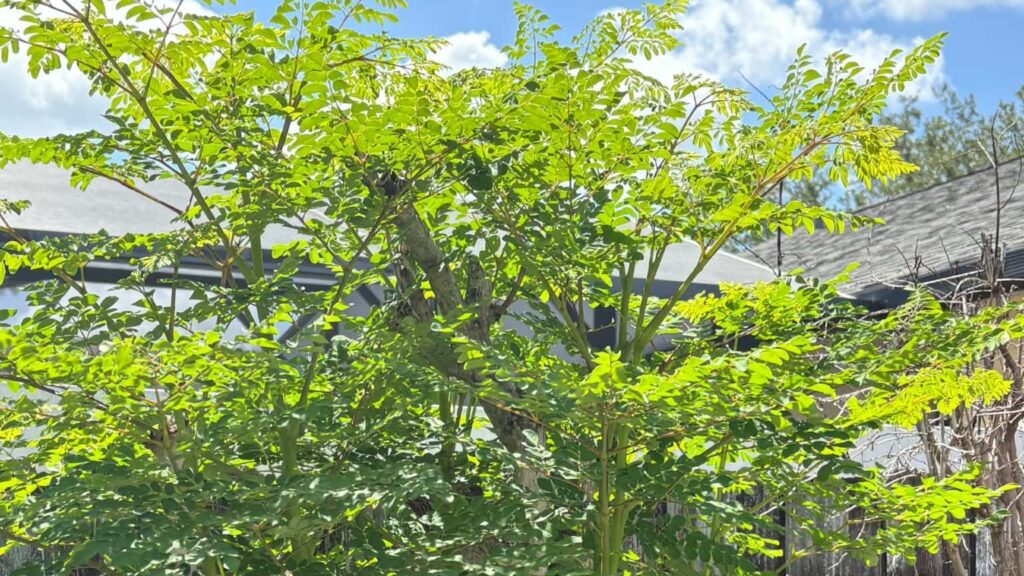
Moringa is often called the “miracle tree” because nearly every part of it can be used. The leaves are packed with nutrients, the tree grows quickly, and it handles Florida’s heat surprisingly well. The good news is that you do not need a large yard to grow moringa. With a little planning, you can successfully grow it on a balcony, in a container, or in a small urban garden.
Why Moringa Is Perfect for Small Florida Gardens
Many gardeners assume moringa needs a large piece of land. While the tree can grow quite tall if left alone, regular pruning keeps it compact and productive. Florida’s warm climate allows moringa to thrive for most of the year, making it a great choice for gardeners who want a fast-growing edible plant.
Moringa is drought tolerant once established and can produce a steady supply of leaves that can be harvested throughout the growing season.
Choosing the Right Location
Moringa loves sunlight. Select a location that receives at least six to eight hours of direct sun each day. A sunny balcony, patio, small backyard, or side yard can all work well.
Good drainage is important. Avoid areas where water tends to collect after heavy rain. Florida’s summer storms can leave soil saturated for days, which moringa does not appreciate.
Growing Moringa in Pots
Growing moringa in containers is one of the easiest ways to manage its size.
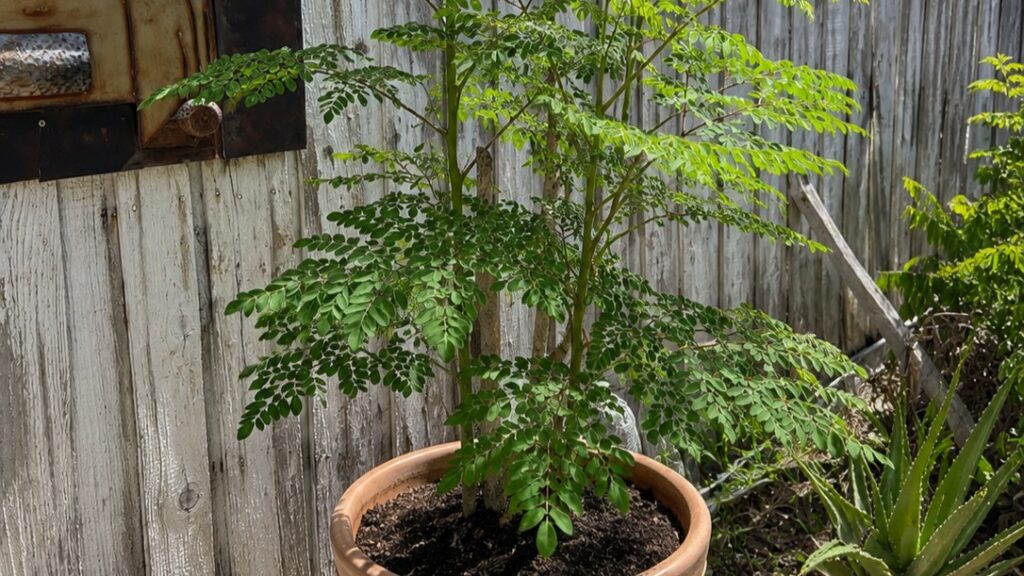
Choose a pot that is at least 15 to 20 gallons. Larger containers provide better stability and allow the roots more room to grow. Use a well-draining potting mix and make sure the container has drainage holes.
Water the tree regularly during its first few months. Once established, moringa becomes much more tolerant of dry conditions.
Keeping Moringa Small and Productive
The secret to growing moringa in limited spaces is pruning.
When the tree reaches about three to four feet tall, trim the growing tip. This encourages side branches to develop and creates a bushier plant. Continue trimming throughout the year to keep the tree manageable and easy to harvest.
Regular pruning also increases leaf production, which is what many gardeners are after.
Fertilizing Moringa
Moringa is not a heavy feeder, but it benefits from occasional compost or balanced fertilizer applications.
Adding compost around the base of the plant can help improve soil quality and provide a slow release of nutrients. In containers, a light feeding every few months is usually enough.
Harvesting Moringa Leaves
Leaves can be harvested once the tree becomes established and begins producing plenty of growth.
Simply cut young shoots and remove the leaves. Fresh leaves can be added to smoothies, soups, salads, and other recipes. Frequent harvesting encourages the tree to produce even more growth.
Common Problems
Moringa generally has few serious pest issues in Florida. Occasionally, caterpillars or aphids may appear, but healthy plants usually recover quickly.
Overwatering is often a bigger problem than insects. If leaves begin yellowing and the soil remains wet for long periods, reduce watering and improve drainage.
Looking for supplies to grow healthy moringa plants? See my recommended Organic Potting Mix and other gardening essentials.
Final Thoughts
If you have been looking for a productive plant that fits into a small space, moringa deserves a place in your garden. Whether you grow it in a container, on a patio, or in a compact backyard, this fast-growing tree can provide a steady harvest of nutritious leaves while taking up surprisingly little space.
With plenty of sunshine, occasional pruning, and well-drained soil, you can enjoy growing moringa even in the smallest Florida garden.
Explore Garden Tools
Continue planning your garden with our free gardening tools:
🌱 Design Your Garden Layout – Plan your garden before you start planting.
🪴 Soil Calculator – Calculate how much soil you need for containers, raised beds, and garden beds.
Pingback: How My Mango Tree Survived a Florida Freeze and Grew Back Stronger – Plantegarden – Urban Gardening and Florida Gardening Website.