Papaya is one of those plants that surprises people. At first glance, it looks like a simple tropical fruit tree, but the more you learn about it, the more impressive it becomes. It grows quickly, produces nutritious fruit in less than a year, and almost every part of the plant has a practical use. The fruit feeds families, the leaves are used in traditional practices around the world, the seeds have culinary and agricultural uses, and even the tree itself can help improve the environment.
If you have ever wanted a fruit tree that grows fast, doesn’t require a huge backyard, and rewards you with fresh fruit in just a few months, the papaya tree deserves a place in your garden.
Whether you are a beginner or an experienced gardener, understanding how papaya trees grow, what they need, and the challenges they face will help you enjoy healthier plants and better harvests.
What Is a Papaya Tree?
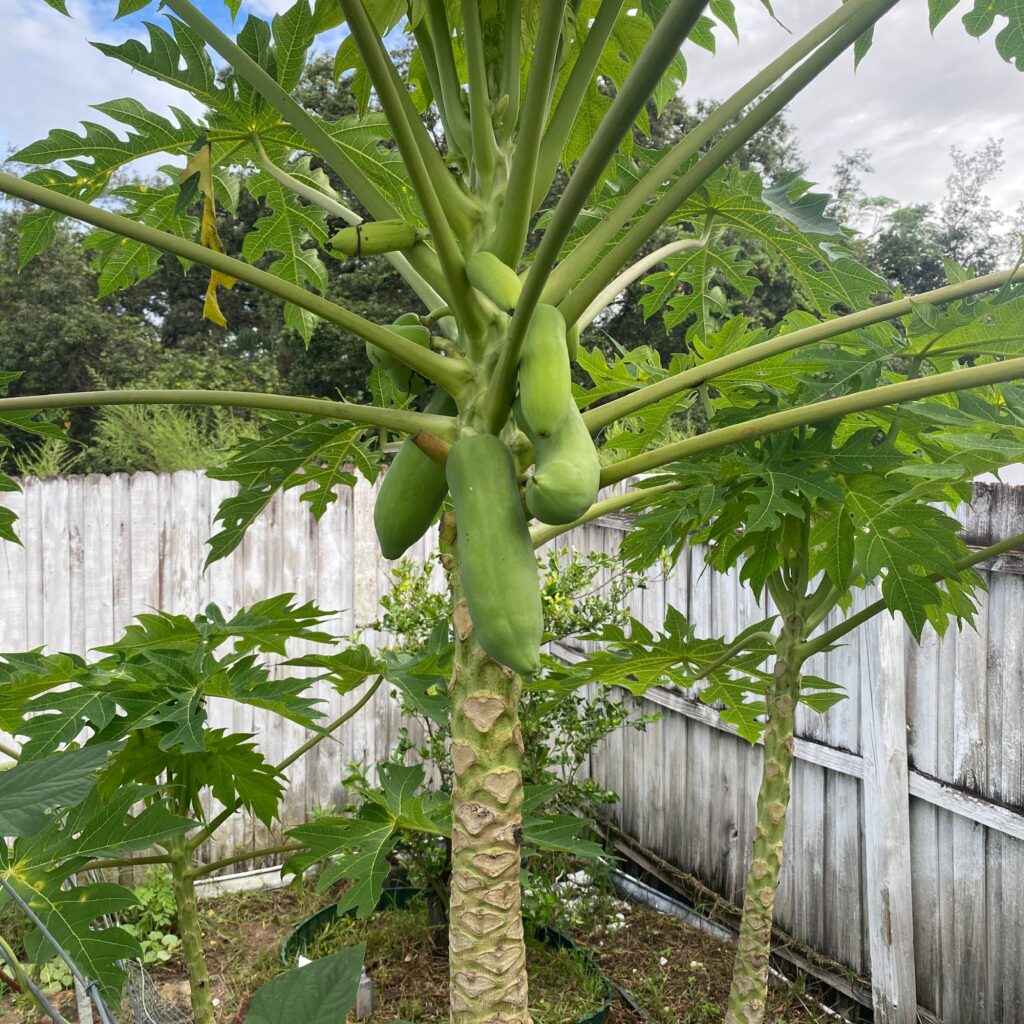
Despite being called a tree, papaya is technically a giant herb rather than a true woody tree. Its soft, hollow trunk grows rapidly and supports a crown of large, deeply divided leaves that spread like an umbrella.
Native to Central America and southern Mexico, papaya is now grown throughout tropical and subtropical regions around the world. In places like Florida, Hawaii, Southeast Asia, the Caribbean, and parts of Central and South America, papaya has become one of the most popular backyard fruit plants.
Under ideal conditions, a papaya tree can reach 8 to 30 feet tall while producing fruit continuously throughout much of the year.
Why Gardeners Love Growing Papaya
One of the biggest reasons gardeners love papaya is its incredible speed.
Unlike mango, avocado, or citrus trees that may take several years before producing fruit, papaya seedlings often begin flowering within six to nine months. Many varieties produce their first harvest before reaching their first birthday.
Other reasons gardeners enjoy growing papaya include:
- Fast-growing tropical fruit.
- Produces fruit throughout much of the year.
- Excellent for small backyards.
- Suitable for large containers.
- Beautiful tropical appearance.
- High nutritional value.
- Easy to grow in warm climates.
For many home gardeners, few fruit trees provide such a quick return on their effort.
Papaya Nutrition: A Fruit Packed with Goodness
Papaya is well known for its bright orange flesh and naturally sweet flavor, but its nutritional value is equally impressive.
Fresh papaya contains:
- Vitamin C
- Vitamin A
- Folate
- Potassium
- Magnesium
- Dietary fiber
- Natural antioxidants
Vitamin C plays an important role in supporting normal immune function, while vitamin A contributes to healthy vision and skin. The fruit is also naturally low in calories, making it a popular choice for healthy snacks, smoothies, fruit salads, and desserts.
Its soft texture makes it easy for both children and older adults to enjoy.
Every Part of the Papaya Plant Has a Purpose
One reason papaya is often called a “super plant” is because almost every part of it can be useful.
Fruit
The ripe fruit is eaten fresh or used in:
- Fruit salads
- Smoothies
- Juice
- Desserts
- Jams
- Salsa
- Baking
Green papaya is also widely used as a vegetable in many Asian and Caribbean dishes.
Leaves
Papaya leaves contain papain, a naturally occurring enzyme that helps break down proteins.
Papain has long been used in:
- Meat tenderizers
- Cosmetic products
- Certain industrial applications
- Scientific and medical research
In many cultures, papaya leaves are also prepared as traditional herbal remedies. However, these traditional uses should not be considered substitutes for professional medical advice or treatment.
Seeds
Many people throw away papaya seeds without realizing they are edible.
Fresh seeds have a slightly bitter, pepper-like flavor and are sometimes dried and ground as a seasoning.
Some gardeners also use crushed papaya seeds in compost piles because they naturally break down into organic matter.
Flowers
In several countries, young papaya flowers are cooked as vegetables and added to soups or stir-fried dishes.
Growing Conditions for Healthy Papaya Trees
Papaya thrives in warm weather and plenty of sunshine.
For the healthiest plants, provide:
Full Sun
Papaya trees need at least six to eight hours of direct sunlight every day.
Less sunlight often means slower growth and fewer fruits.
Warm Temperatures
Papaya grows best between 70°F and 90°F.
Temperatures below freezing can seriously damage or kill young trees.
For gardeners in Florida, southern Texas, Hawaii, and similar climates, papaya usually performs very well when protected from occasional cold weather.
Well-Drained Soil
Poor drainage is one of the fastest ways to lose a papaya tree.
The roots dislike sitting in wet soil, which can lead to root rot and other fungal diseases.
A sandy loam soil rich in organic matter works especially well.
If your yard has heavy clay soil, consider growing papaya in a raised bed or large container to improve drainage.
How Often Should You Water Papaya?
Papaya likes evenly moist soil but not constantly wet conditions.
Young trees usually need more frequent watering while they establish strong roots.
Once mature, watering deeply whenever the top few inches of soil become dry generally works well during warm weather.
Extended periods of standing water should always be avoided.
Fertilizing Papaya for Faster Growth
Because papaya grows quickly, it also uses nutrients quickly.
A balanced fertilizer applied regularly during the growing season helps encourage healthy leaves, strong flowering, and consistent fruit production.
Adding compost around the base of the tree also improves soil quality and supports healthy root development.
Avoid placing fertilizer directly against the trunk, as this may damage young plants.
Can You Grow Papaya in a Container?
Absolutely.
Container-grown papaya is becoming increasingly popular, especially for gardeners with limited space.
Choose a large container with excellent drainage holes and use a quality potting mix that drains well.
Growing papaya in containers offers several advantages:
- Perfect for patios.
- Great for small backyards.
- Easier to move during cold weather.
- Better control over soil conditions.
Many dwarf papaya varieties perform exceptionally well in containers when given enough sunlight and regular watering.
If you enjoy growing fruits and vegetables in limited spaces, you may also enjoy our articles about container gardening and other space-saving gardening ideas here on Plantegarden.
Understanding Papaya Flowers
Papaya trees are unusual because they may produce different types of flowers.
Some trees produce only male flowers.
Others produce female flowers.
Some varieties produce perfect (hermaphrodite) flowers that contain both male and female parts.
Hermaphrodite varieties are often preferred by home gardeners because they are generally reliable fruit producers.
Interestingly, environmental stress can sometimes influence flower development, which has contributed to papaya’s reputation as one of the more unusual fruit plants in the gardening world.
A Fast Harvest That Rewards Patience
One of the most exciting moments for any gardener is harvesting the first papaya.
Depending on the variety and growing conditions, fruit may be ready only six to nine months after planting.
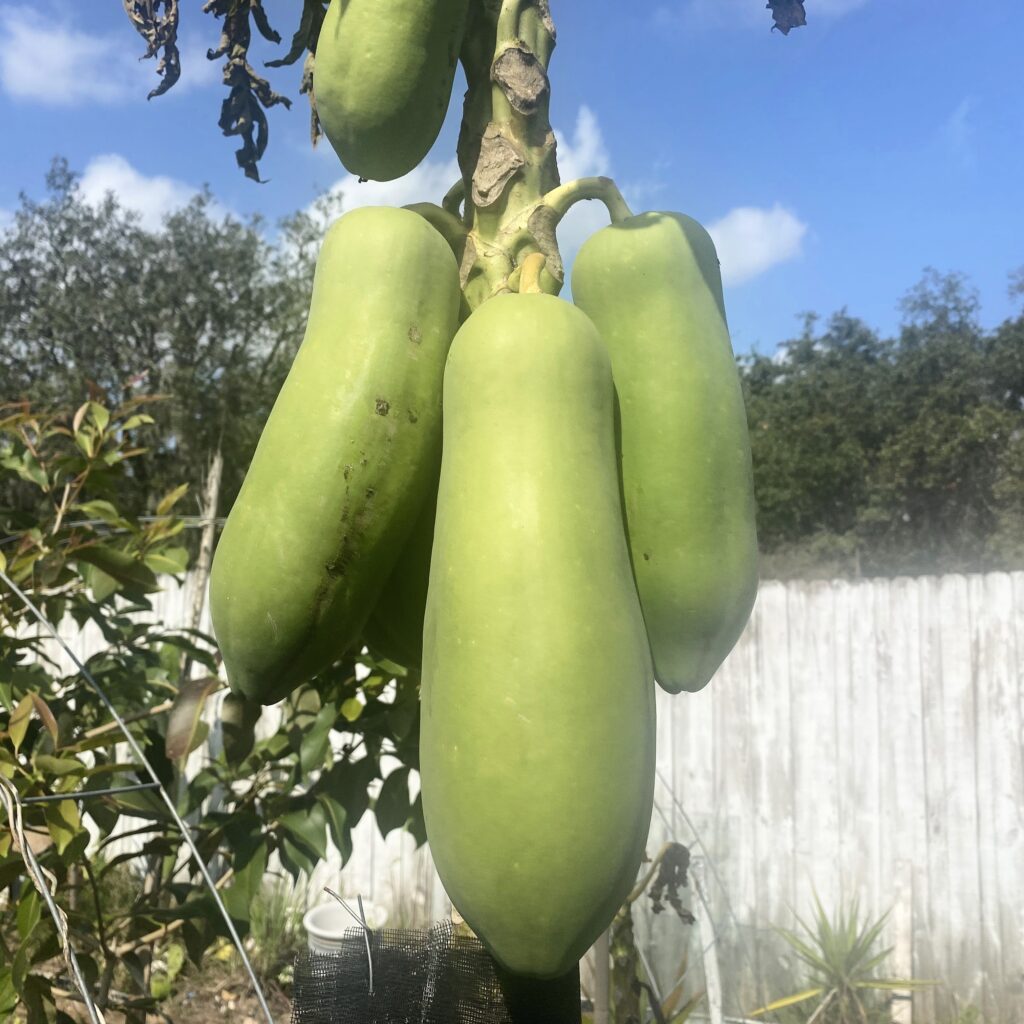
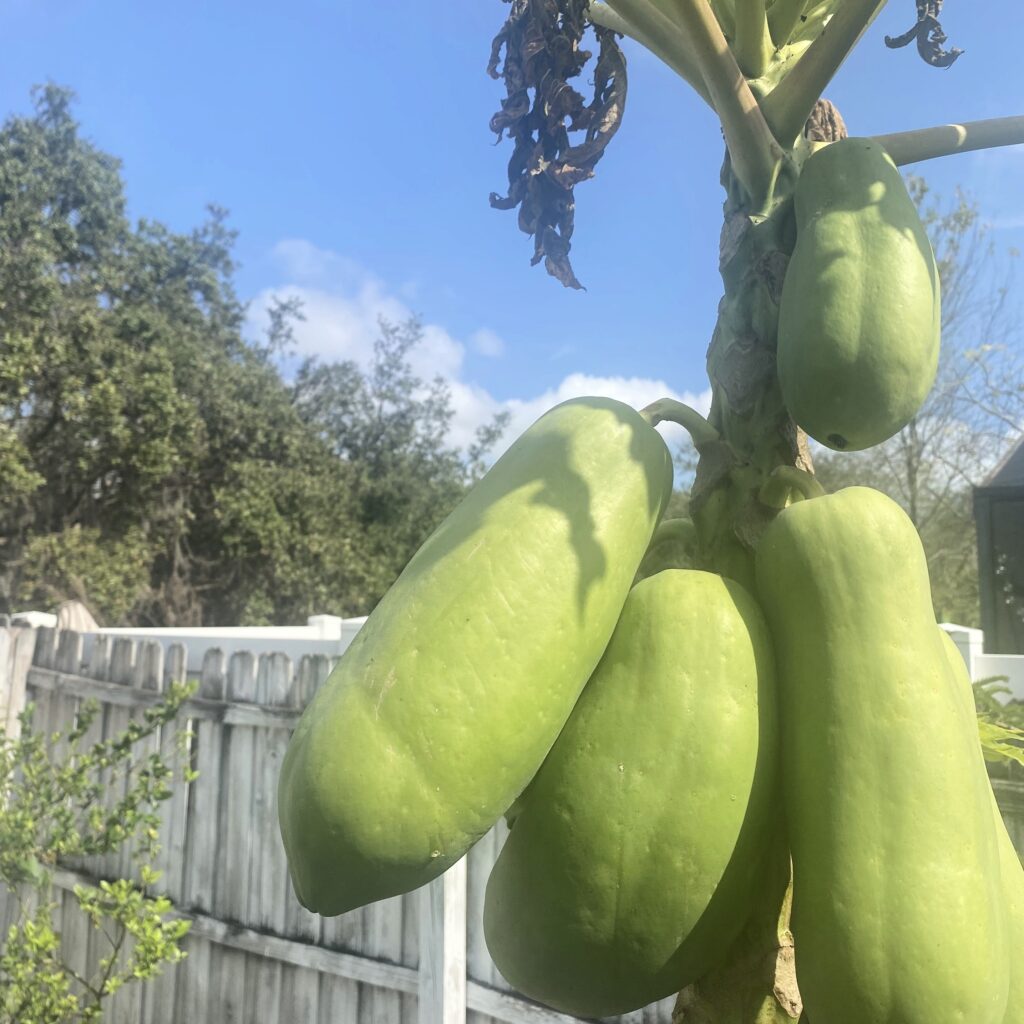
The fruit gradually changes from green to yellow or golden-orange as it ripens.
Papayas continue ripening after harvest, allowing gardeners to pick fruit slightly early if birds or wildlife become a problem.
For the sweetest flavor, allow most of the fruit surface to develop its mature color before harvesting.