
Florida’s hot, humid summers can make growing traditional spinach frustrating. Just when you think you’re getting somewhere, the heat causes the plants to bolt, stop producing leaves, or die altogether. That’s where Malabar spinach shines.
Despite its name, Malabar spinach isn’t true spinach. It’s a fast-growing tropical vine that loves the same warm weather that makes regular spinach struggle. Once established, it produces an abundance of edible leaves throughout the growing season, making it one of the easiest leafy vegetables to grow in Florida.
Whether you’re planting your first vegetable garden or looking for a productive crop that thrives during summer, Malabar spinach deserves a place in your garden.
What Is Malabar Spinach?
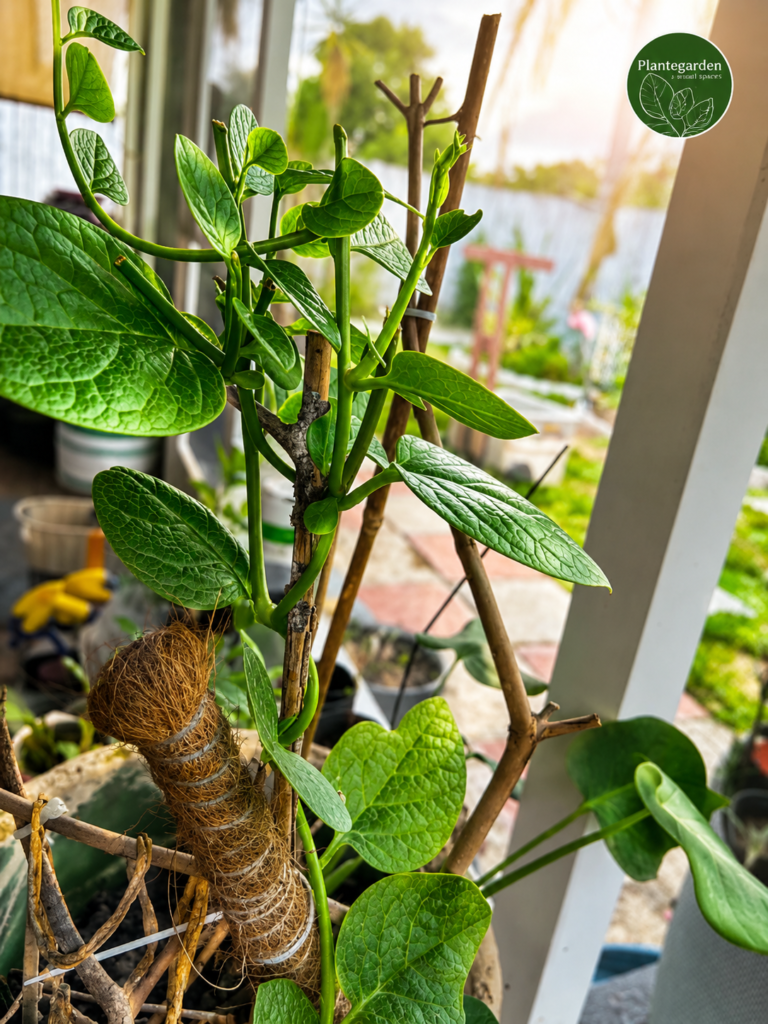
Malabar spinach (Basella alba) is a tropical climbing vine grown for its thick, glossy green leaves and tender young stems. Unlike common spinach, it belongs to an entirely different plant family but is often used in many of the same recipes.
The leaves have a mild flavor with a slightly succulent texture, making them suitable for:
- Fresh salads
- Stir-fries
- Soups
- Smoothies
- Steamed vegetable dishes
Because it grows vertically, it’s also an excellent choice for gardeners with limited growing space.
Why Malabar Spinach Is Perfect for Florida
Many vegetables struggle once Florida temperatures climb into the upper 80s and 90s. Malabar spinach does the opposite.
It actually enjoys:
- Hot temperatures
- High humidity
- Frequent summer rain
- Long growing seasons
Instead of slowing down during summer, the vines continue producing fresh leaves for months.
For Florida gardeners, that’s a huge advantage.
My Experience Growing Malabar Spinach
One reason I enjoy growing Malabar spinach is how resilient it can be.
During one Florida winter, my plants almost died after cold weather arrived. I was left with only one small surviving plant and wasn’t sure it would recover.
Once temperatures warmed up, that little plant quickly came back to life. New vines began growing rapidly, and before long it became one of the healthiest plants in my garden.
I started taking stem cuttings from that single plant and rooted them to grow many more Malabar spinach plants.
Later in the season, the vines produced clusters of dark purple to black seeds. I planted some of those seeds as another way to propagate the plant and began observing how well they germinated.
That experience showed me just how productive one healthy Malabar spinach plant can become.
Choosing the Best Location
Malabar spinach performs best when planted where it receives:
- Six to eight hours of sunlight
- Well-drained soil
- Consistent moisture
- Good air circulation
It also appreciates a sturdy support such as:
- Garden trellis
- Fence
- Arbor
- Tomato cage
Growing vertically keeps the vines healthier while making harvesting much easier.
Soil Preparation
Healthy soil produces healthier vines.
Before planting, improve the soil by adding:
- Compost
- Organic matter
- Well-aged manure
Malabar spinach prefers slightly acidic to neutral soil but adapts well to most Florida garden soils.
Growing Malabar Spinach from Cuttings
Stem cuttings are one of the easiest ways to grow Malabar spinach.
Simply:
- Cut a healthy vine several inches long.
- Remove the lower leaves.
- Place the cutting in moist soil or water.
- Keep it warm and consistently moist.
Roots usually develop quickly, allowing you to multiply your plants with very little effort.
This is the propagation method I use most often.
Growing Malabar Spinach from Seeds
Mature plants eventually produce small dark purple or black berries containing seeds.
Once fully ripe:
- Collect the seeds.
- Allow them to dry.
- Plant them in warm soil after the danger of cold weather has passed.
Seeds usually take longer than cuttings but provide another reliable way to grow new plants.
Watering
Although Malabar spinach tolerates heat very well, it still benefits from regular watering.
Water deeply whenever the top inch of soil begins to dry.
Adding mulch helps:
- Retain moisture
- Reduce weeds
- Keep roots cooler during hot weather
Fertilizing
Feed plants every few weeks using:
- Compost
- Organic vegetable fertilizer
- Slow-release balanced fertilizer
Avoid excessive nitrogen, which may produce lots of vines but fewer usable leaves.
Harvesting
Begin harvesting once the vines become well established.
Harvest:
- Young leaves
- Tender stem tips
Regular harvesting encourages new growth, allowing one plant to continue producing throughout the growing season.
Health Benefits of Malabar Spinach
Malabar spinach is packed with nutrients that support overall health.
Its leaves provide:
- Vitamin A
- Vitamin C
- Vitamin K
- Calcium
- Iron
- Magnesium
- Potassium
- Dietary fiber
- Antioxidants including beta-carotene and lutein
These nutrients support:
- Healthy eyesight
- Strong bones
- Normal immune function
- Healthy digestion
- Heart health
- Healthy skin
Understanding Oxalates
Many people hear that spinach contains oxalates and immediately assume all spinach should be avoided.
The truth is more balanced.
Oxalates are naturally occurring compounds found in many foods, including spinach, beet greens, Swiss chard, nuts, and chocolate.
For most healthy people, eating foods containing oxalates is not a concern.
The greatest concern is for individuals who have previously developed calcium oxalate kidney stones, as high dietary oxalate intake may contribute to stone formation in susceptible people.
One advantage of Malabar spinach is that it generally contains lower oxalate levels than common spinach, making it a popular alternative for gardeners who want leafy greens with reduced oxalate content.
Cooking leafy vegetables, particularly boiling and discarding the cooking water, can also reduce soluble oxalates.
If you have a history of kidney stones, it’s always best to discuss dietary choices with your healthcare provider.
Common Growing Mistakes
Many beginners make simple mistakes that reduce production.
Avoid these common problems:
- Growing without support
- Overcrowding plants
- Letting soil dry completely
- Harvesting too late
- Waiting too long before picking young leaves
- Planting during cold weather
Frequently Asked Questions
Is Malabar spinach the same as regular spinach?
No. Although used similarly in cooking, Malabar spinach belongs to a different plant family and grows as a tropical vine.
Can it survive Florida winters?
Light cold weather may damage the vines, but established plants sometimes regrow from surviving roots when warm temperatures return.
Can I grow it in containers?
Yes. Large containers with a trellis work very well.
Which grows faster—cuttings or seeds?
Stem cuttings usually establish much faster than seeds.
Recommended Gardening Supplies
Growing Malabar spinach becomes even easier with a few basic supplies:
- Quality vegetable fertilizer
- Compost
- Garden trellis
- Pruning shears
- Watering wand
- Raised garden bed
- Large growing containers
- Gardening gloves
- Organic mulch
These products can be naturally recommended through your affiliate partners without interrupting the reading experience.
Final Thoughts
If you’re looking for a leafy vegetable that thrives in Florida’s challenging summer weather, Malabar spinach is one of the easiest and most rewarding choices.
It grows vigorously during the hottest months, produces continuously when harvested regularly, and can easily be multiplied from cuttings. My own experience showed just how resilient it can be—even after cold weather nearly wiped it out, one surviving plant quickly recovered and became the source of many new plants.
For Florida gardeners who want fresh greens throughout the warm season, Malabar spinach is a dependable addition to almost any garden.
If you enjoy growing tropical vegetables, you may also like our guides on growing guyabano in Florida, how to grow jackfruit in Florida, and growing moringa in Florida, since these plants also thrive in Florida’s warm climate.