
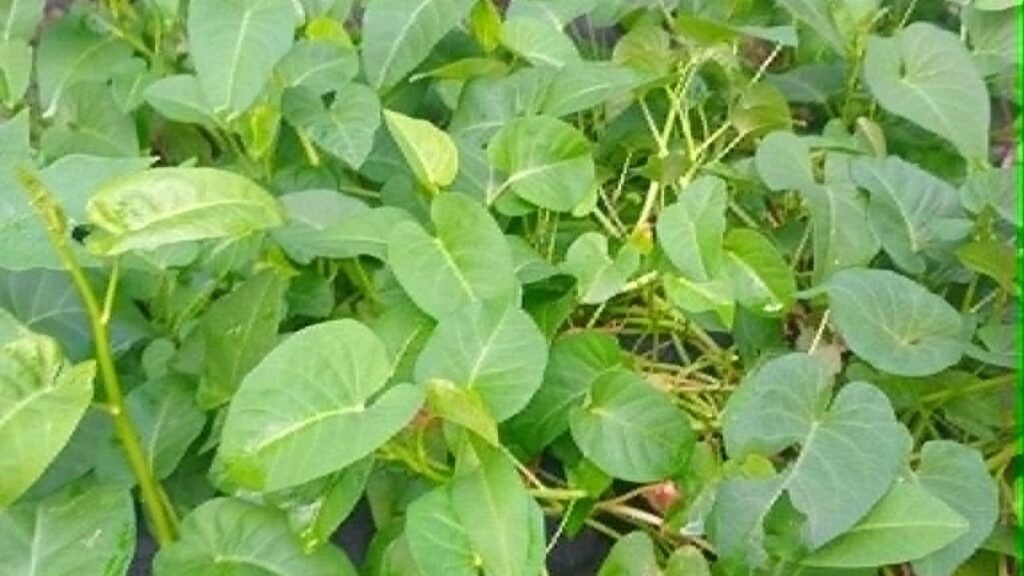
Kangkong, also known as Water Spinach, is one of my favorite vegetables to grow. It grows fast, produces a steady supply of edible greens, and requires very little effort once established. If I had to recommend one leafy vegetable for gardeners with limited space, Kangkong would be near the top of the list.
What makes my setup different is that I grow Kangkong in a self-watering bucket planter. The system combines soil growing with a water reservoir underneath, creating a simple growing environment that Kangkong seems to love.
Why Kangkong Is One of My Favorite Vegetables
I enjoy growing vegetables that continue producing after harvest, and Kangkong does exactly that.
Unlike some vegetables that provide a single harvest, Kangkong can be harvested repeatedly. I usually trim the tender stems and leaves every week, especially during warm weather when growth is at its fastest.
Another reason I like Kangkong is its versatility in the kitchen. Both the leaves and stems are edible and can be added to fish, chicken, pork, or beef soups. It is also commonly used in stir-fries and many Asian dishes.
Because the plant grows quickly and recovers fast after harvesting, a small planting area can provide a surprising amount of fresh greens.
My Self-Watering Bucket Planter Setup
The reason this growing method works so well is because it provides a steady supply of moisture without keeping the roots constantly submerged.
My planter consists of:
- Soil in the upper section
- A water reservoir below
- A water-level indicator
- A system that allows roots to draw moisture upward as needed
The water-level indicator is one of my favorite features. Instead of guessing when to water, I can simply look at the indicator and immediately see how much water remains in the reservoir.
This removes one of the most common problems in container gardening: overwatering and underwatering.
Perfect for Small Spaces
Not everyone has room for a large garden.
A self-watering bucket planter can fit on:
- Patios
- Balconies
- Small backyards
- Driveways
- Apartment outdoor spaces
Because Kangkong grows quickly and produces heavily, even a single container can provide regular harvests.
For gardeners with limited growing space, this is one of the easiest vegetables to grow successfully.
Why Kangkong Thrives in This System
Kangkong naturally prefers moist conditions. In many parts of the world, it grows near water or in wet areas.
The self-watering planter provides consistent moisture while still allowing the plant to grow in soil. This combination seems to create ideal growing conditions.
During hot Florida weather, the water reservoir helps maintain moisture levels and reduces the need for frequent watering.
Health Benefits of Kangkong
Kangkong is more than just easy to grow.
The leaves contain nutrients including:
- Vitamin A
- Vitamin C
- Iron
- Potassium
- Magnesium
- Dietary Fiber
Adding fresh leafy vegetables from the garden is a simple way to increase the variety of vegetables in your diet.
Harvesting Kangkong
I usually harvest the tender stems and leaves once the plant becomes thick and healthy.
Regular harvesting encourages new growth, allowing the plant to continue producing throughout the growing season.
One of the best things about Kangkong is how quickly it recovers after cutting. New shoots appear rapidly, making it possible to enjoy repeated harvests from the same plant.
My Self-Watering Bucket Planter Setup
One reason Kangkong has become one of my favorite vegetables is because of the way I grow it. Instead of planting directly in the ground, I grow it in a self-watering bucket planter that combines soil growing with a built-in water reservoir.
The soil sits in the upper section of the container while water is stored below in a separate reservoir. A water-level indicator shows exactly how much water remains in the bucket, eliminating the guesswork that often comes with container gardening.
I like this system because I always know when the reservoir needs refilling. The roots pull moisture upward as needed, helping maintain consistent growing conditions without constantly checking the soil. This prevents many common watering mistakes and keeps the plants actively growing.
The setup is simple, space-efficient, and ideal for gardeners who have limited room. Whether you have a small backyard, patio, balcony, or apartment garden, a self-watering planter can provide a steady supply of fresh vegetables without taking up much space.
For gardeners interested in creating a similar setup, self-watering planters, sub-irrigated planters, 5-gallon bucket gardening systems, quality potting mix, water-soluble fertilizer, and garden pruning scissors are useful tools that can help make growing Kangkong easier and more productive.
In my experience, Kangkong responds extremely well to this growing method. The plants stay healthy, grow quickly, and produce enough leaves and stems that I often harvest fresh greens every week.
Why I Recommend Kangkong to Beginner Gardeners
If you are new to gardening, Kangkong is one of the easiest vegetables to start with. Like sweet potatoes, it grows quickly, recovers well after harvesting, and produces a steady supply of edible greens throughout the growing season.
The combination of rapid growth, simple care requirements, and frequent harvests makes it a rewarding plant for gardeners of all skill levels. For anyone interested in growing food in containers or small spaces, Kangkong is a vegetable that deserves serious consideration.
If you enjoyed learning about Kangkong, you may also enjoy reading my article about why sweet potatoes are one of the best vegetables for beginner gardeners. Both crops are productive, easy to grow, and suitable for home gardens in warm climates.
Final Thoughts
If you are looking for a productive vegetable that is easy to grow, Kangkong deserves a place in your garden.
My self-watering bucket planter has made growing this vegetable even easier. The water reservoir and water-level indicator remove much of the guesswork, while the plant rewards me with a steady supply of fresh greens week after week.
For gardeners with limited space, busy schedules, or hot climates like Florida, Kangkong is one of the most rewarding vegetables I have grown.