
Growing vegetables can feel intimidating when you are just getting started. Some plants need constant watering, special fertilizers, protection from pests, and careful attention every day. Sweet potatoes are different.
After growing many types of vegetables, I have found that sweet potatoes are among the easiest, toughest, and most rewarding plants for beginner gardeners. They handle hot weather well, require very little maintenance, produce edible leaves and tubers, and are surprisingly difficult to kill.
If you are looking for a vegetable that can help build your confidence as a gardener, sweet potatoes are an excellent place to start.
Why I Recommend Sweet Potatoes to Beginners
Many vegetables struggle during the hottest part of summer. Sweet potatoes seem to enjoy it.
These plants thrive in warm temperatures and continue growing when many other garden crops begin showing signs of stress. In my garden, sweet potatoes have handled heat, periods of neglect, and changing weather conditions better than most vegetables I have grown.
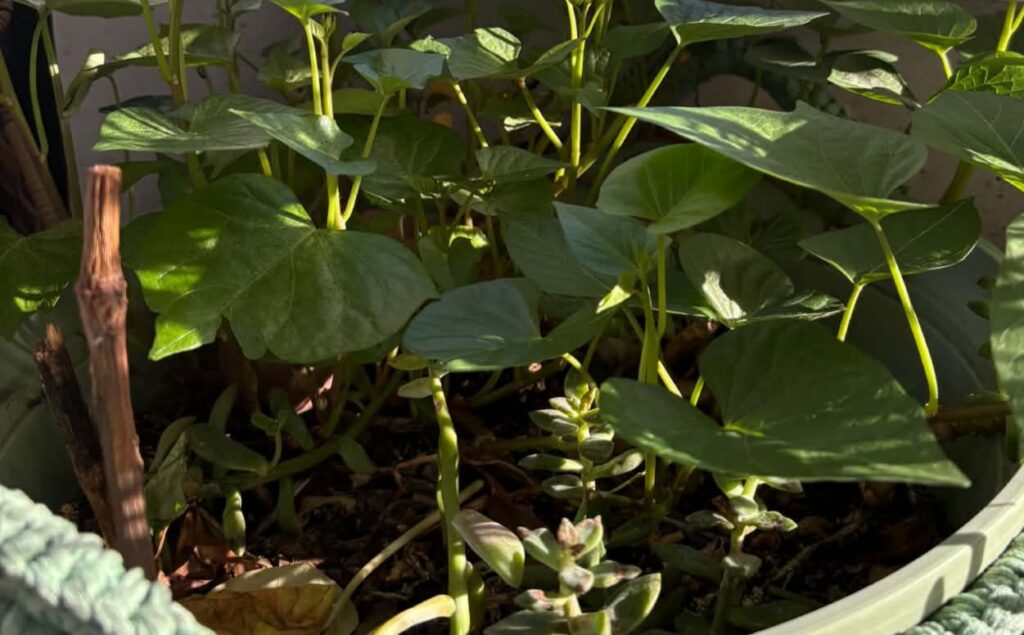
What impressed me most is how little attention they need. Once established, the vines spread quickly and cover the growing area with beautiful green foliage.
For busy gardeners, that is a huge advantage.
Sweet Potatoes Are More Than Just a Root Crop
Most people grow sweet potatoes for the tubers hidden beneath the soil. The sweet, nutritious roots can be baked, boiled, roasted, mashed, or added to many recipes.
However, many gardeners do not realize that the leaves and young stems are also edible.
The tender leaves can be:
- Added to soups
- Cooked with fish or meat dishes
- Lightly boiled and sautéed
- Used in fresh salads
- Mixed into stir-fry recipes
This means a single sweet potato plant can provide food above and below the soil.
While waiting for the tubers to mature, you can harvest leaves throughout the growing season and enjoy a steady supply of fresh greens.
One of the Easiest Plants to Propagate
Another reason I like sweet potatoes is how easy they are to start.
There are two common methods:
Growing From a Sweet Potato Tuber
Place a sweet potato in water or moist growing media and wait for slips, also called shoots, to develop.
Once the slips become large enough, they can be removed and planted separately.
Growing From Cuttings
Sweet potato vines root very easily.
Simply cut a healthy section of vine and place it in water or directly into moist soil.
In many cases, roots begin forming quickly, creating a brand-new plant with almost no effort.
For beginner gardeners, this makes sweet potatoes one of the most forgiving vegetables to multiply.
They Grow in Containers and Garden Beds
Sweet potatoes are versatile.
They can grow in:
- Containers
- Raised beds
- Traditional garden rows
- Small backyard gardens
- Urban gardens
For gardeners with limited space, containers work surprisingly well.
A large container allows the plant enough room to produce tubers while keeping the growing area organized and easier to manage.
The Biggest Challenge: Fast-Growing Vines
If there is one thing gardeners should know about sweet potatoes, it is that they grow aggressively.
The vines can quickly spread across nearby containers, garden beds, pathways, and surrounding plants.
This is not necessarily a problem, but it does require occasional trimming.
Regular pruning helps keep the plant tidy and prevents it from taking over the garden.
The good news is that those trimmings can often be used as cuttings to start new plants.
Sweet Potatoes Are Surprisingly Low Maintenance
Many vegetables require frequent feeding and constant monitoring.
Sweet potatoes are much more forgiving.
In my experience, they grow successfully in a wide range of soil conditions and do not require constant attention.
That makes them an excellent choice for:
- First-time gardeners
- Busy homeowners
- Container gardeners
- Families teaching children how to garden
- Gardeners in warm climates
Health Benefits of Sweet Potatoes
Sweet potatoes are valued for their nutritional benefits.
They contain:
- Dietary fiber
- Vitamin A
- Vitamin C
- Potassium
- Antioxidants
The leaves are also nutrient-rich and can be incorporated into many healthy meals.
Growing a plant that provides both vegetables and leafy greens can help maximize productivity in a small garden.
My Final Thoughts
If I could recommend only one vegetable to a beginner gardener, sweet potatoes would be near the top of the list.
They tolerate heat, require minimal maintenance, produce edible roots and leaves, and can be propagated with remarkable ease.
Whether you grow them in containers, raised beds, or directly in the ground, sweet potatoes reward gardeners with months of growth and harvest opportunities.
For anyone starting a vegetable garden for the first time, this resilient plant offers one of the easiest paths to success.
Related Articles
If you enjoyed this article, you may also like:
- How to Grow Moringa in Small Spaces (Balcony, Pots, and Urban Gardens in Florida)
- How to Grow Flowers in Small Spaces: Simple Ideas for Colorful Gardens
- Best Plants for Pollinators in a Florida Garden
Recommended Gardening Supplies
The following gardening supplies may help you grow healthy sweet potatoes:
- Large growing containers
- Raised garden beds
- Organic compost
- Hand pruners
- Watering cans or irrigation systems
- Non-GMO sweet potato planting stock
As an affiliate website, Plantegarden may earn a commission from qualifying purchases made through links on this page at no additional cost to you.